
A typical Saturday on the Marinilla to El Peñol corridor tells a familiar story. Drivers face bumper to bumper traffic. Buses idle along narrow shoulders. Thousands of visitors move in unison toward a single giant rock.
Guatapé and El Peñol suffer from a severe case of day tripper syndrome. Tour companies based in Medellín transport visitors for a rigid circuit. They climb La Piedra, photograph the colorful streets, buy a quick snack, and depart before sunset. This constant influx leaves behind heavy traffic and overflowing trash bins, while offering very little financial benefit to the local municipalities. Alleviating overtourism does not always require reducing visitor interest. It requires fundamentally rewiring how visitors behave. The Montecielo complex and its massive Cristo del Embalse project seek to convert this region from a quick afternoon stop into an extended regional base.
The Monoculture of La Piedra
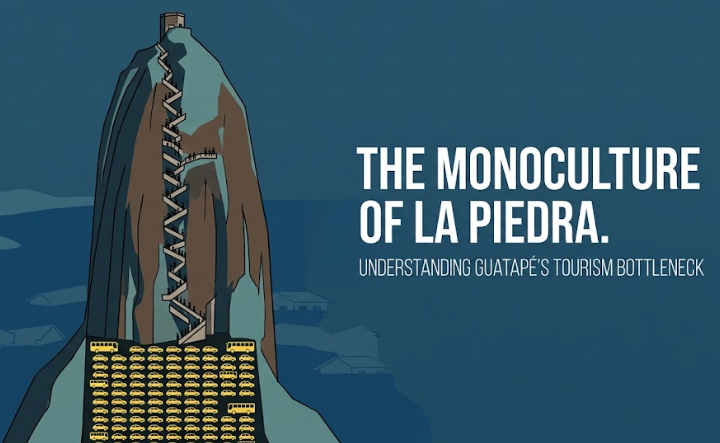
The intense focus on the region's famous monolith has concentrated foot traffic and parking demands into a highly fragile two square kilometer radius. This geographic bottleneck creates significant economic leakage. Visitors spend money primarily on transit and admission tickets booked outside the area. They completely bypass local hoteliers, fine dining establishments, and cultural operators.
There is a sharp contrast between the high volume of foot traffic and the low amount of local tax base reinvestment. The true history of El Peñol also becomes an afterthought in the rush of modern tourism. The original town was deliberately flooded in the 1970s for hydroelectric power. That memory is easily lost when visitors are only focused on beating the afternoon traffic back to the city.
The Montecielo Blueprint
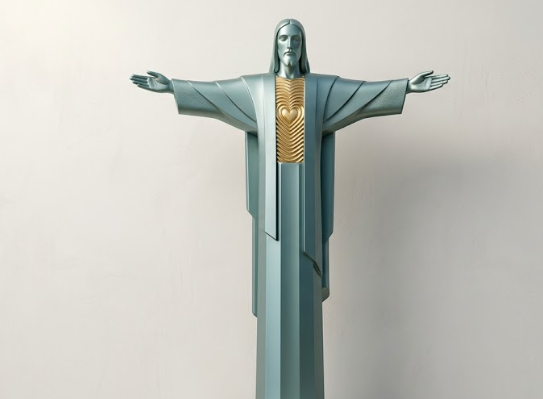
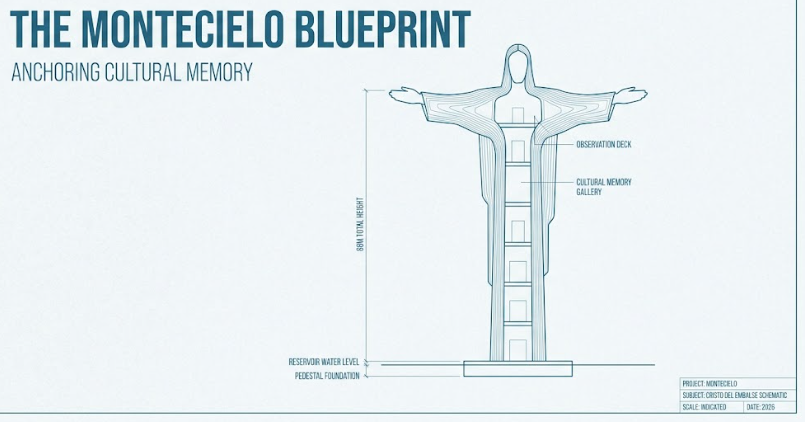
The anchor of the Montecielo development is the 86 meter Cristo del Embalse. This structure is a major technical achievement. It is manufactured utilizing large format industrial 3D printing and high durability composite materials. The monument features interior observation levels and cultural galleries. However, the developers frame the monument as more than an aesthetic spectacle. It serves to honor the resurrection of El Peñol's cultural memory.
Decoupling from the Asphalt
To succeed, the project must move visitors without adding more cars to regional roads. Montecielo plans to implement aerial transit and a network of cable cars. These systems will link scenic hubs and move pedestrian traffic overhead. In addition, the development will activate sustainable nautical routes across its 58 hectare footprint. This pulls pressure directly away from the crowded Guatapé waterfront.
Building the Overnight Economy
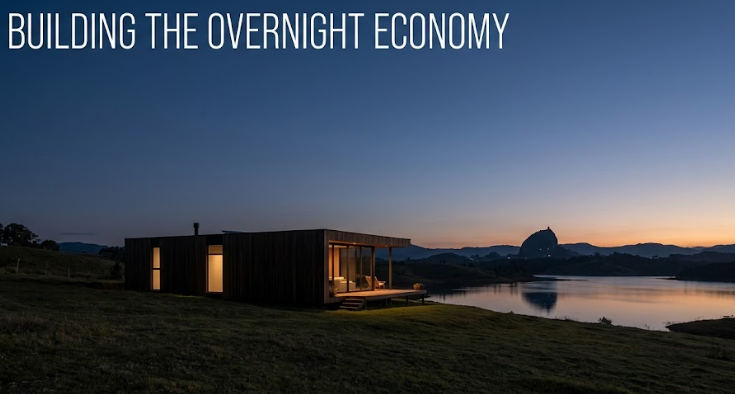
The infrastructure is intentionally designed for dwell time. Eco-resorts and boutique luxury lodges will be priced and styled to encourage stays of two to four nights. Open air retail and culinary hubs are structured to keep evening entertainment localized. Diners will have compelling reasons to stay instead of returning to Medellín for dinner.
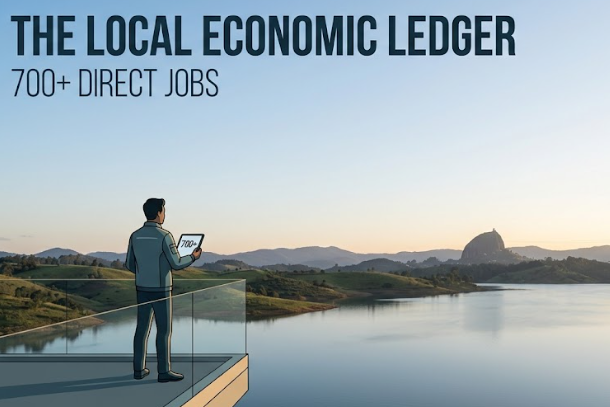
The Local Economic Ledger
A massive development must offer more than just aesthetics. It needs to provide real socioeconomic value. The Montecielo project projects the creation of over 700 direct jobs. These roles span engineering, hospitality management, tour curation, nautical logistics, and commercial maintenance.
This influx of jobs creates a secondary employment ripple. Local agricultural supply chains will need to provision resort dining rooms. There will be high demand for security personnel and artisan vendor integration. This offers a path to formalize informal labor. Unlicensed boat operators and street vendors can transition into standardized and safety certified hospitality careers. Retaining youth talent in El Peñol and Guatapé through specialized technical training means fewer young adults will feel forced to migrate to Medellín for work.
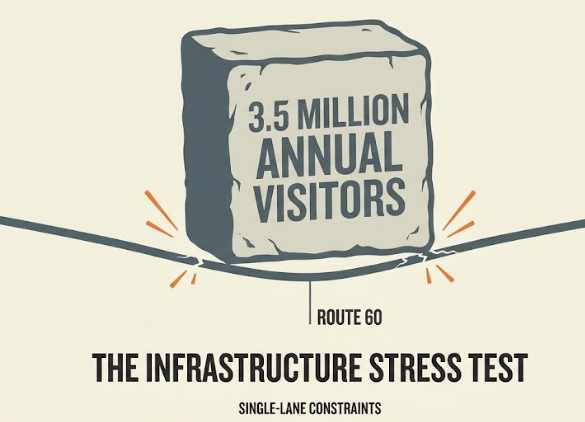
The Infrastructure Stress Test
The core paradox of the Montecielo development is its scale. The project anticipates 3.5 million annual visitors. An already stressed rural infrastructure will struggle to survive that volume without major upgrades. The single lane constraints of Route 60 are under intense scrutiny. The region desperately needs passing lanes, dedicated tourist bus staging areas, and municipal bypasses.
Water processing, wastewater treatment, and power grid stability around the sensitive reservoir perimeter are equally critical. Montecielo aims to mitigate these pressures through strict flow control. Dynamic ticketing systems will use timed entries and off peak pricing to eliminate weekend saturation spikes. The complex must also handle its own recycling and baseline utility loads to avoid overwhelming municipal services.
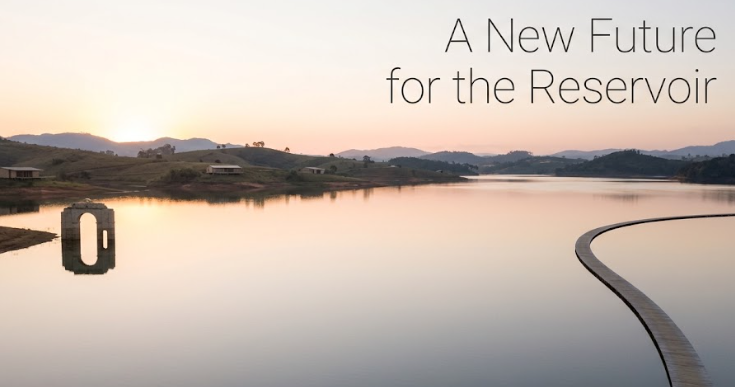
A New Future for the Reservoir
Transforming a transit corridor into a genuine destination takes time. The long term metric for success is not measured by the number of vehicles passing the toll plaza on a Sunday morning. True success will be measured by local hotel occupancy on a Tuesday night. If executed responsibly, the Montecielo project will do more than add another landmark to the horizon. It will anchor a mature tourism economy that honors the submerged history beneath the water while safeguarding the communities living along its edge.
Writer
Justin is a travel enthusiast and Colombian local interested in promoting existing tour operators' businesses and improving travel quality for foreigners visiting the country.
Related articles
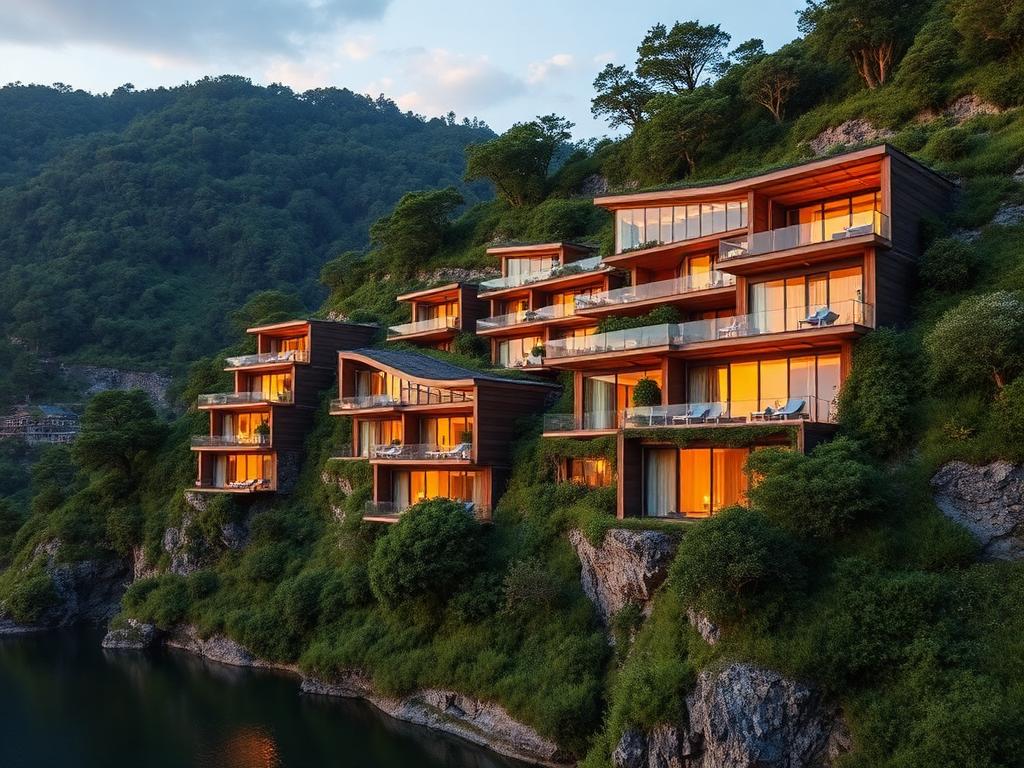 Montecielo News
What to Expect from the Montecielo Commercial & Eco-Resort Complex
76 commercial spaces, a cliffside eco-resort, and a panoramic cable car — here is how a visit will unfold from 2027.
Read article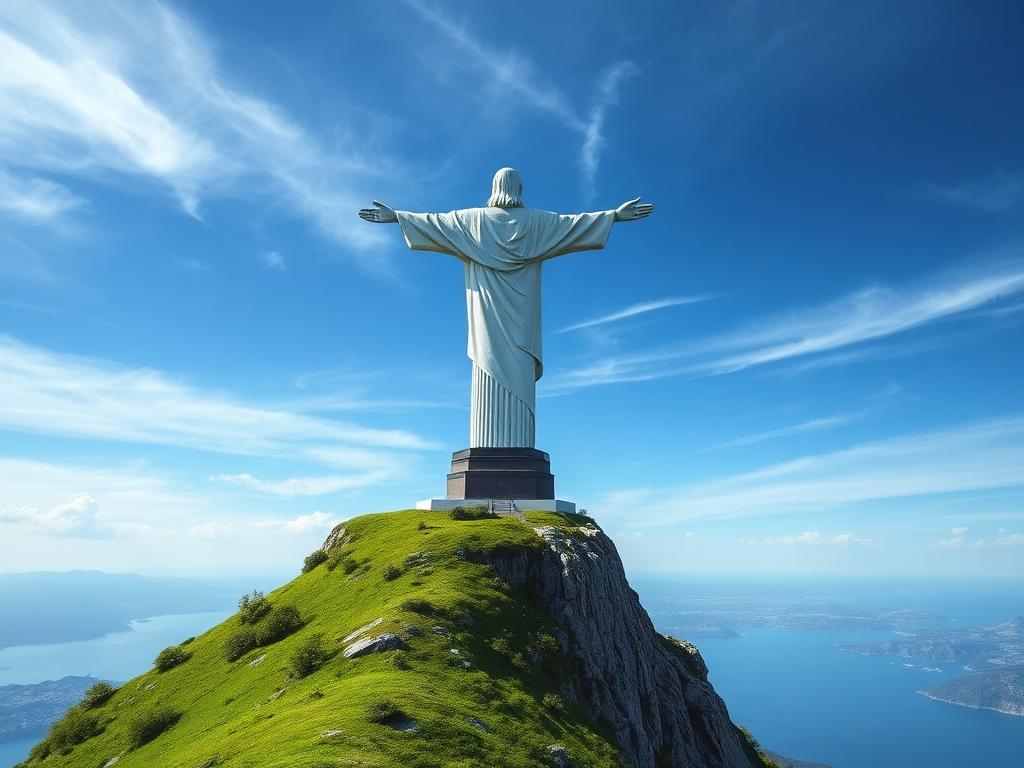 Travel Guides
How Quiet Reservoir Mornings Improve a Hangar Visit at Cristo del Embalse
Quiet reservoir mornings make the Hangar visit calmer. Learn timing tips, tracker checks, and how to plan Cristo del Embalse without midday Guatapé crowds.
Read articleTravel GuidesWhy Guatapé Overtourism Makes Cristo del Embalse Worth a Separate Stop
Guatapé overtourism pushes day-trippers into rushed loops. See why Cristo del Embalse (Hangar) deserves its own stop, plus tracker and visit tips.
Read article