
From Submerged History to Global Landmark: The Rebirth of El Peñol
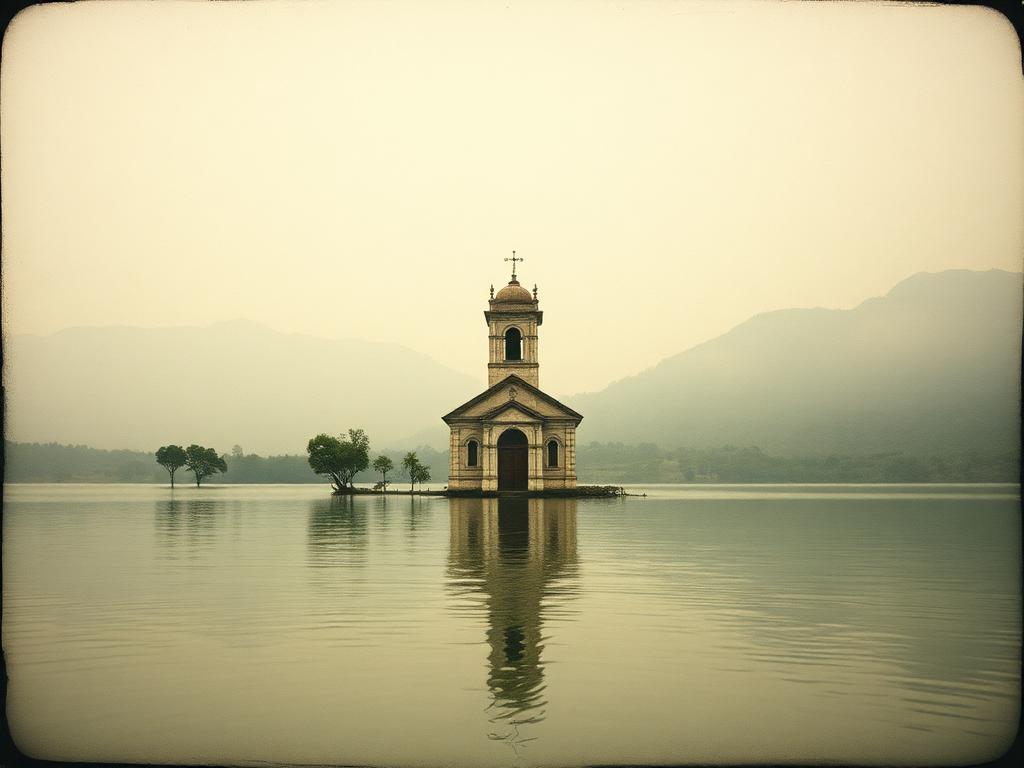
In 1978 the waters of the new hydroelectric reservoir closed over the old town of El Peñol. Streets, a church, a cemetery and the memory of daily life went under. What replaced them was a new town built on higher ground and a landscape of green fingers and blue channels that would eventually become one of Colombia's most photographed places.
A displacement that never fully settled
Residents relocated, but the emotional geography stayed submerged. For decades a cross marked the spot above the drowned church, and families rowed out to it. That single upright marker in open water is the direct ancestor of the monument now rising on the ridge.
The town was moved, but the town was never forgotten. The water only hid it.
Rebirth as a deliberate act
The Cristo del Embalse frames itself as resurrection rather than commemoration: a resurrected Christ, not a crucifixion. The choice is pointed. It reads the flooding as loss followed by return, and it gives the region a landmark scaled to the ambition of its tourism economy rather than to the size of the old parish.
- 1978 — the reservoir floods the original town of El Peñol
- 1980s–2000s — the relocated town grows around reservoir tourism
- 2020s — the monument and Montecielo complex are planned on the ridge
- 2029–2030 — full assembly of the 86-meter figure targeted
Writer
Justin is a travel enthusiast and Colombian local interested in promoting existing tour operators' businesses and improving travel quality for foreigners visiting the country.
Related articles
 History & Culture
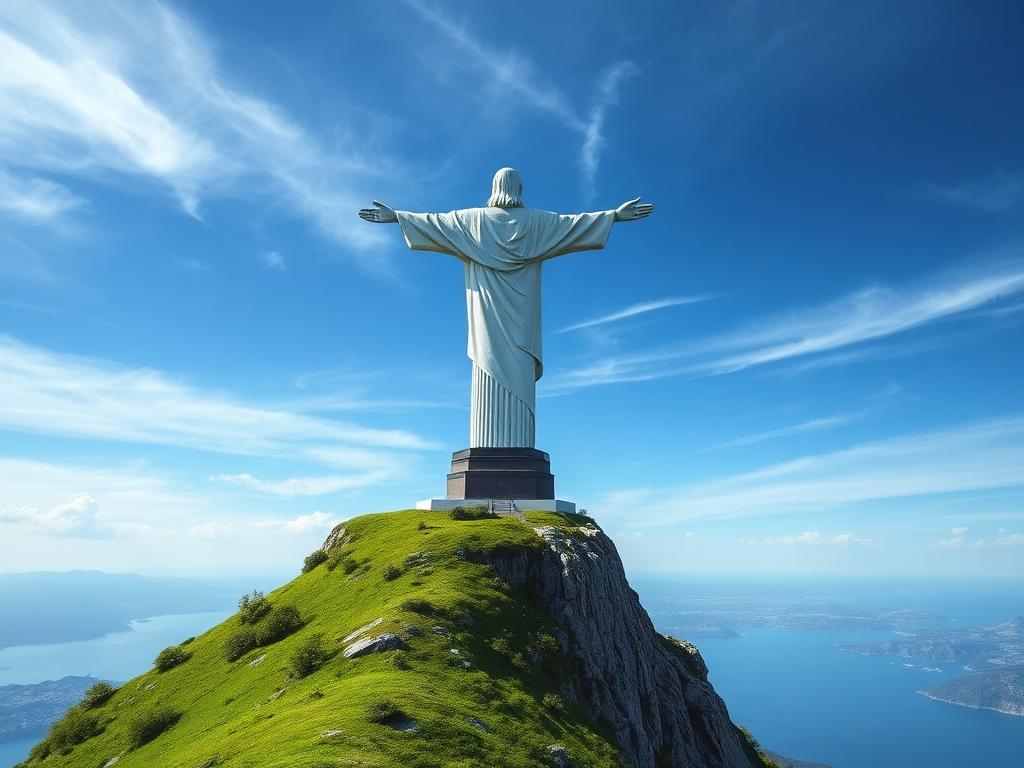
How Colombia's New Christ Statue Compares to Rio's Christ the Redeemer
At 86 meters, the Cristo del Embalse would tower over Rio's 30-meter icon. We break down scale, engineering, and ambition.
Read articleTravel GuidesHow Quiet Reservoir Mornings Improve a Hangar Visit at Cristo del Embalse
Quiet reservoir mornings make the Hangar visit calmer. Learn timing tips, tracker checks, and how to plan Cristo del Embalse without midday Guatapé crowds.
Read articleTravel GuidesWhy Guatapé Overtourism Makes Cristo del Embalse Worth a Separate Stop
Guatapé overtourism pushes day-trippers into rushed loops. See why Cristo del Embalse (Hangar) deserves its own stop, plus tracker and visit tips.
Read article